Indonesian Palm Oil News (IPO News), Bali — Thailand continues to strengthen the use of palm oil-based biodiesel as part of its energy security strategy. At the same time, the rapid development of electric vehicles (EVs) presents a new challenge for the biodiesel industry and highlights the need for a more diversified energy strategy.
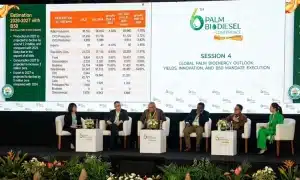
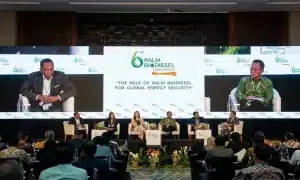
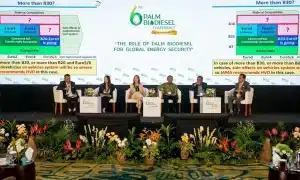
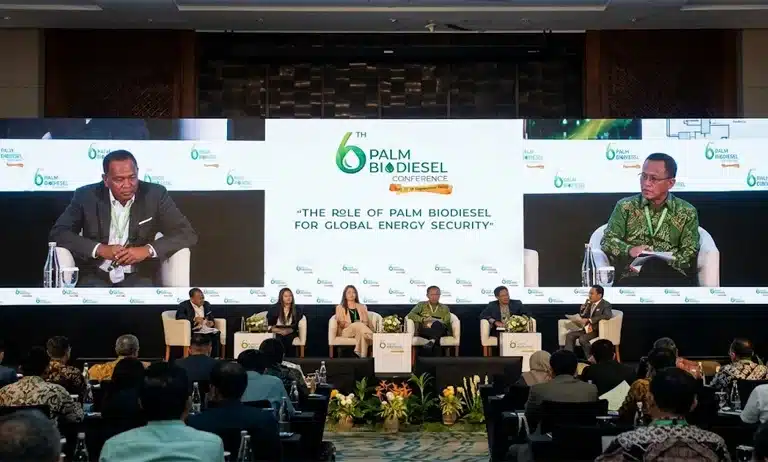
Thailand’s perspective was represented at the 6th Palm Biodiesel Conference 2026, held at Sofitel Nusa Dua, Bali, on September 17–18, 2026. Sanin Triyanond, Chairman of the Thai Biodiesel Producer Association (TBPA), was listed as one of the speakers in a session addressing the acceleration of biodiesel mandates, industry readiness, and financing for a sustainable transport sector.
Sanin has extensive experience in Thailand’s palm oil and biodiesel industries. In addition to leading TBPA, he is Director of Patum Vegetable Oil Co., Ltd. and has been involved in various committees related to the development of Thailand’s palm oil and vegetable oil industries.
Biodiesel and the Rise of Electric Vehicles
The development of electric vehicles has become an important factor in Thailand’s transportation energy policy. Recent data shows that Thai consumers are increasingly adopting electric vehicles. In 2025, registrations of battery electric passenger vehicles reached approximately 118,696 units, representing around 21.9 percent of total new passenger-vehicle registrations. This was a sharp increase from approximately 0.4 percent in 2021.
This development presents a challenge for the biodiesel industry because electric vehicles do not use diesel fuel. However, in previous industry forums, Sanin has highlighted the importance of viewing electric vehicles and biofuels as components of an energy transition that can develop alongside each other.
This approach is particularly relevant for Thailand, as not all vehicles and transportation sectors can shift to electrification at the same pace.
Thailand Continues to Strengthen B20
Amid the rapid growth of electric vehicles, biodiesel continues to have a role in Thailand’s energy system. In May 2026, Thailand’s automotive industry association, together with the Department of Energy Business and fuel suppliers, stated that 1,135 vehicle models from 15 brands were compatible with B20 diesel under the applicable requirements, while remaining subject to the respective manufacturers’ conditions and warranty provisions.
This demonstrates that B20 continues to have a place in Thailand’s fuel policy, particularly for compatible diesel-powered vehicles. Biodiesel also provides benefits for the palm oil industry by increasing domestic utilization of palm oil as an energy feedstock.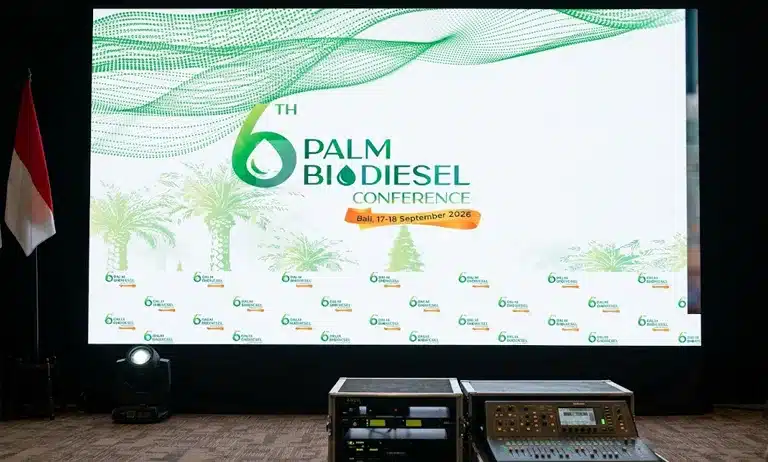
Feedstock and Technology Challenges
Thailand, however, faces a different set of conditions from Indonesia. A July 2026 study by Krungsri Research identified several structural challenges to increasing the use of higher biodiesel blends in Thailand, including feedstock availability, the rapid development of electric vehicles, emissions standards, and the compatibility of some vehicles with higher biodiesel blends.
Therefore, any increase in Thailand’s biodiesel mandate requires a balance between energy demand, the ability of the palm oil industry to provide feedstock, vehicle technology readiness, and developments in the automotive market.
From Biodiesel to Higher Value Products
In the longer term, Thailand’s palm oil industry also has opportunities to move beyond biodiesel production. The utilization of palm oil and biomass to produce a wider range of value-added products can become part of efforts to strengthen downstream industries. This approach is consistent with the broader development of biomass-based transportation fuels and other bio-based products.
With an established palm oil and biodiesel industry, Thailand has the potential to expand the utilization of these resources through technology and a more diversified range of downstream products.
Thailand’s Perspective in the ASEAN Forum
Sanin Triyanond’s participation in the 6th Palm Biodiesel Conference in Bali brought an important Thai perspective to the ASEAN biodiesel discussion. Indonesia has entered the B50 era, Malaysia continues to develop its biodiesel mandate, while Thailand maintains B20 amid rapid growth in electric-vehicle adoption.
The three countries have different conditions, resources and policies. Yet they face a common question: how can palm oil continue to play a strategic role in an increasingly low-carbon energy system?
For Thailand, the answer does not necessarily require biodiesel and electric vehicles to be viewed as competing solutions. Biodiesel can continue to serve vehicles and sectors that remain dependent on diesel engines, while electrification expands across transportation segments where it is suitable.
Biodiesel Still Has a Role
Changes in transportation technology do not immediately eliminate the role of biodiesel. Instead, they encourage the biodiesel industry to become more efficient, competitive and adaptable to a changing energy landscape. For Thailand’s palm oil industry, biodiesel also has strategic value because it creates a domestic market for palm oil while supporting energy security.
The 6th Palm Biodiesel Conference in Bali provided an important platform for Indonesia, Malaysia and Thailand to exchange experiences on policy, technology, industry readiness and the challenges of the energy transition.
In this context, Thailand’s experience demonstrates that the future of biodiesel will depend not only on the level of the mandate, but also on the industry’s ability to adapt to vehicle technology, feedstock availability and the direction of the energy transition.
Biodiesel and electric vehicles can develop with different roles within the future energy system, while the palm oil industry continues to seek opportunities to generate greater value from its resources.
To subscribe or for more information, contact: Marketing Or Email
Need a research report? Please visit CDMI Consulting