Indonesian Palm Oil News (IPO News), Bali — Indonesia’s biodiesel program has entered an important new phase with the implementation of B50. Effective July 1, 2026, the government began implementing a 50% palm oil based biodiesel blend with diesel fuel as part of its strategy to strengthen national energy security and reduce dependence on imported diesel.
Amid this development, the Directorate of Bioenergy under the Ministry of Energy and Mineral Resources (ESDM) plays an important role in ensuring that the national biodiesel program is implemented from a technical and sustainability perspective while meeting Indonesia’s growing energy requirements.
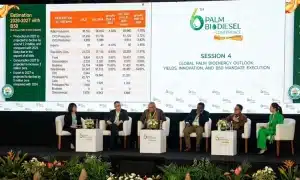
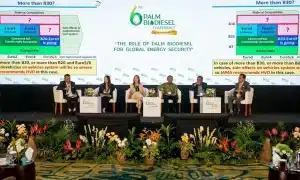
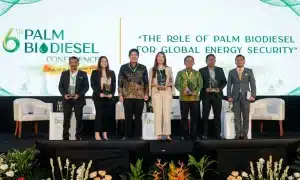
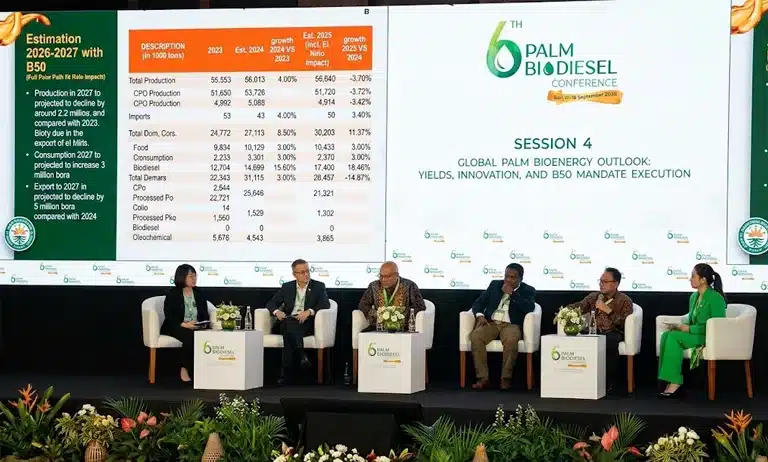
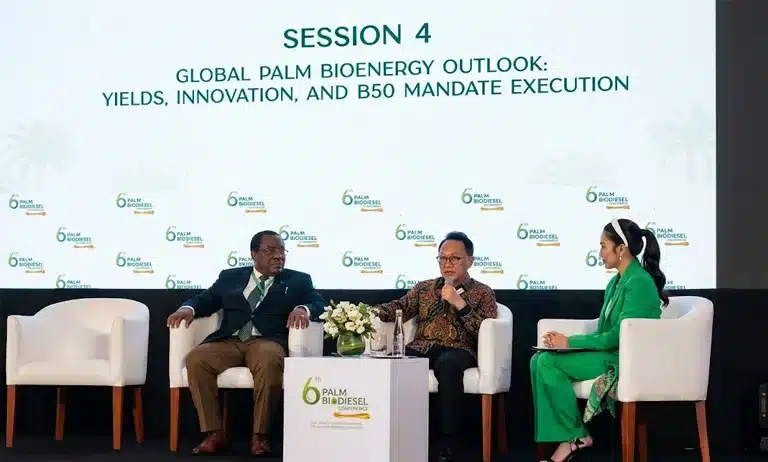
One of the key figures involved in this agenda is Noor Arifin Muhammad, Director of Bioenergy at the Directorate General of New, Renewable Energy and Energy Conservation (EBTKE), Ministry of ESDM, who was among the speakers at the 6th Palm Biodiesel Conference, held at Sofitel Nusa Dua, Bali, on September 17–18, 2026.
Under the theme “The Role of Palm Biodiesel for Global Energy Security,” the conference brought together government representatives, biodiesel industry players and delegates from several ASEAN countries to discuss the future of biodiesel, including policy, industry readiness, financing and energy security.
B50 Marks a New Milestone for Indonesia’s Biodiesel Industry
Indonesia is currently one of the world’s leading countries in the implementation of palm oil based biodiesel. Following the development of the B20, B30 and B40 mandates, the government has increased the blending level to B50. The policy is not only related to renewable energy utilization but is also part of a broader national strategy to reduce diesel imports and maximize the use of domestic energy resources.
The Ministry of ESDM confirmed that B50 implementation began on July 1, 2026. By mid-September, distribution had reached approximately 6,050 fuel stations across Indonesia. However, the implementation of B50 does not end with the issuance of a policy. The government is also continuing to strengthen fuel specifications, technical testing, distribution terminal readiness and engagement with the automotive industry to ensure that B50 can be implemented effectively in the field.
Technical Readiness Remains a Key Priority
As biodiesel blending levels increase, technical considerations become increasingly important. Fuel quality testing, vehicle compatibility, distribution infrastructure readiness and compliance with fuel specifications are therefore essential components of the implementation process.
In September 2026, the Ministry of ESDM further strengthened dialogue with the automotive industry to discuss technical aspects related to B50. This demonstrates that the success of the biodiesel program depends not only on feedstock availability and biodiesel production capacity, but also on the readiness of the entire downstream utilization chain. This becomes particularly important as B50 requires significantly higher biodiesel volumes than previous mandates.
From Palm Oil to Energy Security
Palm oil based biodiesel also occupies a strategic position because it connects Indonesia’s plantation sector with the national energy sector. Higher domestic biodiesel utilization creates stronger demand for palm oil based feedstock while simultaneously establishing a larger domestic market for palm-oil products.
From an energy security perspective, greater use of domestically produced biodiesel provides an alternative to dependence on imported diesel. Since the early stages of the program, the government has positioned biodiesel as one of the instruments for reducing diesel imports and increasing the utilization of domestic energy resources.
As a result, the success of B50 is not solely relevant to the biodiesel industry. It also has implications for the plantation, energy, transportation and broader national economic sectors.
Toward a More Integrated Biodiesel Ecosystem
Noor Arifin Muhammad’s participation in the 6th Palm Biodiesel Conference is particularly relevant amid these developments. As Director of Bioenergy, Noor occupies an important position within Indonesia’s renewable energy policy framework. The challenge ahead is not simply to increase the biodiesel blending percentage, but to ensure that the entire ecosystem is prepared from feedstock availability and biodiesel production to quality testing, terminals, distribution and vehicle compatibility.
Indonesia is also beginning to explore the development of next-generation biofuels, including various types of biofuel technologies that could support the country’s broader energy transition.
The transition from B40 to B50, therefore, represents more than an increase in the biodiesel blending percentage. B50 is part of Indonesia’s broader effort to develop an energy system that makes greater use of domestic resources while reducing dependence on imported fossil fuels.
For Indonesia’s palm oil industry, this development provides strategic opportunities to strengthen downstream processing. For the energy sector, meanwhile, biodiesel has become one of the important instruments for strengthening national energy security.
Going forward, the success of the program will depend heavily on continued coordination among the government, biodiesel producers, the plantation sector, automotive manufacturers and all stakeholders across the energy supply chain.
To subscribe or for more information, contact: Marketing Or Email
Need a research report? Please visit CDMI Consulting