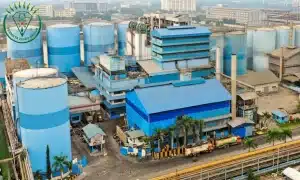
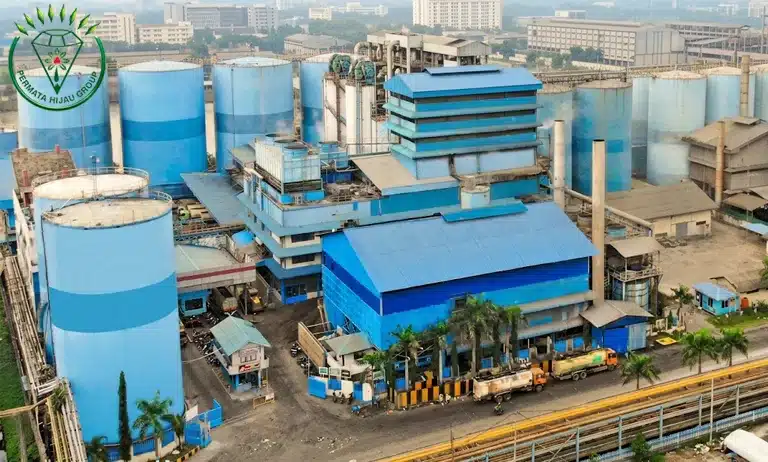
Indonesian Palm Oil News (IPO News), Medan — Permata Hijau Group (PHG) is one of Indonesia’s palm oil business groups that has developed an integrated business model covering palm oil plantations, the processing of fresh fruit bunches (FFB) into crude palm oil (CPO) and its derivatives, as well as downstream industries and marketing for both domestic and international markets.
Established in 1984, Permata Group currently operates across the palm oil value chain, from upstream plantations to downstream industries. The company states that this integration is an important part of improving efficiency while producing higher value added products for the global market.
One of the key entities in the group’s upstream business is PT Permata Hijau Sawit (PHS). Recent data published by Permata Group also places PHS among the group’s facilities assessed under the NDPE Independent Verification Framework (NDPE IRF). In the 2025 assessment, PHS recorded a score of 90% for both the No Deforestation and No Peat aspects in the group’s assessment table.
From Plantations to Oleochemicals
Permata Group’s strength is not limited to the production of crude palm oil. The group is also involved in processing and manufacturing activities that produce a wide range of palm oil based products. Its product portfolio includes CPO, RBD Palm Oil, RBD Palm Olein, RBD Palm Stearin, PFAD and packaged cooking oil. From palm kernels, the group also produces CPKO, RBD Palm Kernel Oil, Palm Kernel Expeller and other derivatives.
In the oleochemical and specialty products segment, Permata Group produces fatty acids, stearic acid, oleic acid, glycerine, soap noodles, fatty alcohol, specialty fats, margarine and frying fats. The group also has a biodiesel business based on Palm Methyl Ester (PME).
Through this structure, Permata Group is not only involved in selling palm oil commodities as raw materials, but is also developing higher value added downstream products.
Jhonny Virgo: Sustainability as Part of the Strategy
Sustainability is one of the key priorities of Permata Group’s management. In the 2023 Sustainability Report, Jhonny Virgo, as President Director, stated that sustainability has become an integral part of the company’s overall strategy.
“At Permata Group, sustainability is not just a responsibility it is embedded in our core strategy, guiding us toward long-term success and shared prosperity.”
The statement reflects Permata Group management’s approach to environmental, social and governance (ESG) issues not merely as an obligation, but as an integral part of the company’s long term business strategy.
Jhonny Virgo also highlighted the importance of strengthening supply chain traceability, certification and compliance with deforestation free standards in order to maintain access to international markets amid increasingly stringent market requirements.
In its 2023 report, Permata Group stated that it had achieved 100% traceability to mills, while traceability to plantations increased from 66% to 82%. More than 75% of suppliers were also reported to have adopted NDPE principles.
Strengthening Access to Global Markets
For an integrated palm oil company such as Permata Group, the ability to meet international market requirements is becoming increasingly important. Changes in regulations and consumer expectations require companies to demonstrate the origin of their raw materials and the sustainability standards applied throughout their supply chains.
Permata Group states that it continues to strengthen its traceability systems, certification and implementation of NDPE principles to support the sustainability of its supply chain. On the production side, the company is also developing the utilization of biomass-based energy generated from palm oil processing waste. Permata Group has stated that its facilities have implemented methane capture technology at several palm oil mill installations to reduce emissions.
PHS Remains an Important Part of the Group
As one of the group’s entities, PT Permata Hijau Sawit remains an important part of Permata Group’s overall business structure. The latest NDPE IRF data published by the company continues to list PHS among the facilities monitored under the group’s sustainability system. This illustrates how the group’s upstream activities are incorporated into its broader supply chain management and sustainability framework.
With a combination of plantations, palm oil mills, vegetable oil processing, oleochemicals, specialty fats and biodiesel, Permata Group has developed a business model covering a substantial portion of the palm oil value chain.
Going forward, the company’s challenges will not only involve maintaining production capacity, but also improving productivity, strengthening raw material traceability and increasing the contribution of higher value added downstream products.
For an integrated palm oil business group, these areas will be increasingly important in maintaining Indonesia’s competitiveness in the global vegetable oil and downstream palm-based products markets.
According to data from Indonesian Palm Oil News (IPO NEWS), Permata Hijau Group remains an interesting palm oil business group to monitor, particularly in terms of the development of its plantation, CPO and PK processing operations, as well as its oleochemical and downstream businesses.
To subscribe or for more information, contact: Marketing Or Email
Need a research report? Please visit CDMI Consulting