Indonesian Palm Oil News (IPO News), Bali — The implementation of the 50 percent biodiesel blend, or B50, requires not only industrial, infrastructure, and supply-chain readiness, but also sustainable financing support. This is one of the key areas of attention for the Oil Palm Plantation Fund Management Agency (BPDP), which plays an important role in ensuring the continuity of Indonesia’s national biodiesel program.
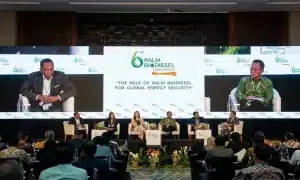
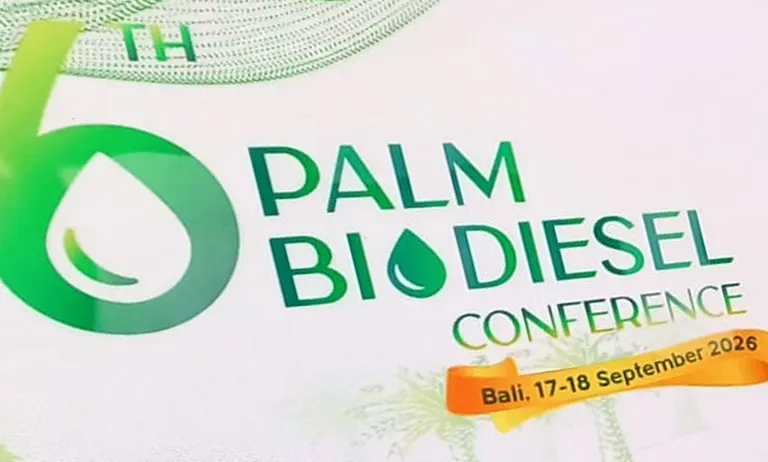
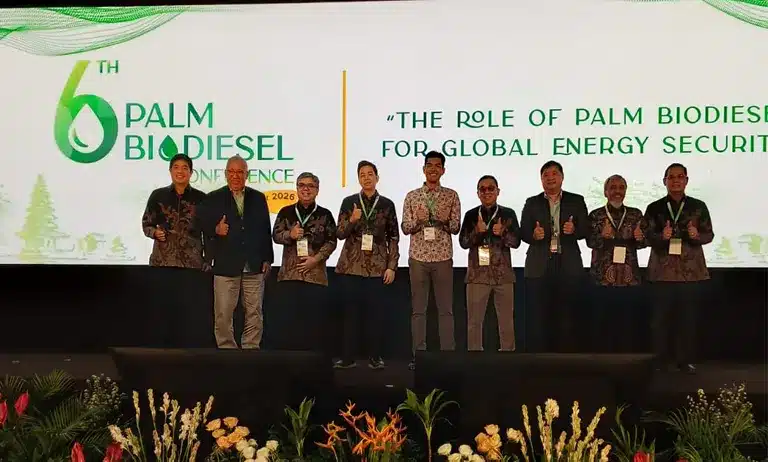
This issue was among the topics discussed at the 6th Palm Biodiesel Conference 2026, organized by the Indonesian Biofuel Producers Association (APROBI) on September 17–18, 2026, at Sofitel Nusa Dua, Bali, under the theme “The Role of Palm Biodiesel for Global Energy Security.”
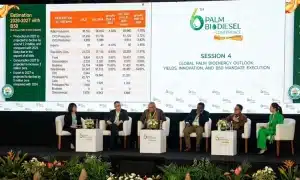
At the conference, Mohammad Alfansyah, Director of Downstream Sector Fund Distribution at BPDP, was one of the speakers in a session focusing on the acceleration of biodiesel mandates, industry readiness, policy, and financing for a sustainable transport sector.
For Indonesia, the availability of a financing mechanism is an important element in maintaining the continuity of the biodiesel program. Biodiesel and diesel fuel prices do not always move at the same level. BPDP has therefore played a role in covering the price difference between the biodiesel market index price and the market index price of diesel fuel through the palm oil fund mechanism.
B50 Funding Confirmed
Earlier, Alfansyah stated that BPDP had ensured the availability of funding to support the implementation of B50 in 2026.
In July 2026, he estimated that funding requirements for the biodiesel program this year would reach approximately IDR32.3 trillion. Despite the significant financing requirements for biodiesel, BPDP emphasized that other strategic palm oil programs—including the Smallholder Palm Oil Replanting Program (PSR), infrastructure development, human-resource development, and research and development—must also continue.
A month earlier, Alfansyah also stated that compensation funds to support the B50 program remained secure through the end of 2026.
This funding certainty is particularly important as B50 was implemented nationwide on July 1, 2026. With the higher biodiesel blending level, financing and fund management have become increasingly strategic to ensure smooth implementation of the program.
More Than an Energy Program
The B50 program has broader implications for Indonesia’s palm oil industry. In addition to reducing dependence on imported fossil fuels, greater domestic utilization of biodiesel also creates additional demand for palm oil as a feedstock.
Therefore, the biodiesel financing mechanism is not solely related to the energy sector. It also has a direct connection with the sustainability and development of Indonesia’s national palm oil industry.
BPDP manages funds derived from export levies on palm oil products and their derivatives. These funds are allocated to a range of strategic programs, including biodiesel support, the PSR program, plantation infrastructure, human-resource development, and research and development.
Strengthening the Palm Oil and Energy Ecosystem
Looking ahead, Indonesia’s challenge is not only to maintain the implementation of B50, but also to ensure that the entire ecosystem becomes increasingly efficient and sustainable.
Financing readiness must go hand in hand with increased biodiesel production capacity, storage and distribution infrastructure, fuel quality, and the industry’s ability to meet national energy requirements.
In this context, BPDP holds a strategic position as one of the instruments supporting government policy. Sustainable financing is one of the foundations needed to ensure that the biodiesel program can continue to evolve—from a fuel-blending policy into an increasingly important component of Indonesia’s national energy security strategy.
For the palm oil industry, the success of B50 also sends an important message: palm oil is not merely an export commodity, but is becoming increasingly important as a domestic energy feedstock.
Through collaboration among the government, BPDP, biodiesel producers, Pertamina, palm oil producers, and other stakeholders, the implementation of B50 is expected to continue strengthening while generating greater added value for the national economy.
To subscribe or for more information, contact: Marketing Or Email
Need a research report? Please visit CDMI Consulting