Indonesian Palm Oil News (IPO News) – Cooking oil is a food ingredient with the main composition of triglycerides derived from vegetable materials with or without chemical changes, including cooling and a refinement or purification process used for frying (SNI, 2103).
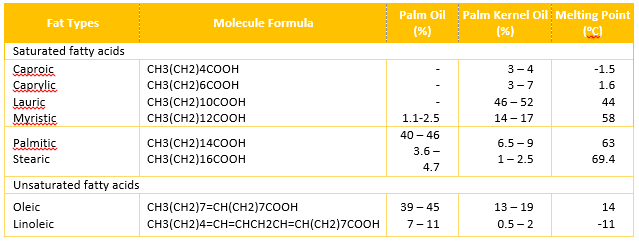
Oil is a mixture of fatty acid esters with glycerol. Types of oil generally used for frying are vegetable oils such as palm oil, peanut oil, sesame oil and others. This type of cooking oil contains about 80% of unsaturated fatty acids, oleic and linoleic acids, except coconut oil (Sartika, 2009).
In food technology, fat and oil play an important role since both have a high boiling point (about 2000 C) so they can be used to fry foods and the fried ingredients will lose most of the water content and become dry.
Composition of Cooking Oil
Fat and oil consist of mixed triglycerides which are esters of glycerol and long chain fatty acids. The dydrolyzed fat produces three molecules of long chain fatty acids and one molecule of glycerol. The carotene content in oil palm can reach 1000 ppm or more, while the tocopherol content varies and is affected by the handling during production.
Cooking Oil Sources
Edible fat and oil which are produced by nature may from vegetable or animal sources. In plants or animals, the oil serves as a source of energy reserves. According to Ketaren (2012) Oil and fat can be classified based on their source, as follows:
From plant sources
- Palawija seeds : corn oil, cotton seeds, nuts, rape seeds, sesame, soybeans and sun flower
- Fruit shells of annual plantsAnnual plants : olive oil and palm oil
- Seeds from annual plants : coconuts, cocoas, palm kernel, babassu, cohune and others
From animal sources
- Dairy animals : milk fat
- Livestock meat : cow fat and its derivatives, oleostearin, oleo oil from oleo stock, swine fat, dan mutton tallow
- Sea products : sardine oil, menhaden and others, as well as whale oile
The composition or type of fatty acids and the physicochemical properties of each type of oil are different. This is caused by differences in sources, climate, growing conditions and processing. The differences between vegetable and animal fats are :
- Animal fat contain cholesterol while vegetable fat contains phytosterol
- The content of unsaturated fatty acid in animal fat is smaller than that of vegetable fat
- Animal fat has greater Reichert Meissl number and Polenske number is smaller than that of vegetable oil
Palm Oil
Palm oil is one of the vegetable oils consumed by the public in addition to coconut oil, soybean oil, and others. Based on its uses, palm oil is used as the main ingredient for products which people need, such as cooking oil, margarine, detergents, soaps, cosmetics, and medicines.
Based on its advantages, palm oil is safer due to its edible nature and friendly to the environment and easy to decompose (bio egradable). Besides, it is also proven not to increase cholesterol levels and even contains beta carotene as provitamin A and vitamin E. In palm oil, the color of the oil is determined by the presence of pigment which remains after the bleaching process since fatty acids and glycerides are colorless. The orange or yellow color is due to the presence of oil soluble carotene pigments. Odor and flavor in oil occur naturally, also occurs due to the presence of short chain fatty acids due to oil breakdown.
While the distinctive smell of palm oil is caused by beta ionone compounds. The melting point of palm oil is in the temperature range since palm oil contains several types of fatty acids which have different melting points.
DEVELOPMENT OF PALM COOKING OIL
Even though there are quite a number of Indonesian cooking oil plants, this has not stopped entrepreneurs from investing in this sector, one of which is PT Jhonlin Group through its business unit PT Jhonlin Agro Raya (JAR) planning to build a cooking oil plant with a capacity of 160 tons per day in Tanah Bumbu Regency, South Kalimantan.
Director of PT JAR Zafrinal said the cooking oil plant owned by a subsidiary of the Jhonlin Group would produce premium cooking oil in 1 liter and 2 liter packages at affordable prices for the wider community. Zafrinal said that currently the development project absorbs a work force of up to 250 local residents, and later when it operates, the plant with a digital operating system will absorb 60 operational personnels.
In addition to creating new jobs, the construction of this cooking oil plant is also a manifestation of the company’s concern for the current shortage of cooking oil. “This cooking oil factory is a fraction of a refinery plant which will process 250 tons of raw materials per day and be able to produce 160 tons of cooking oil per day. The existence of a cooking oil factory in South Kalimantan is expected to help improve the economy from upstream to downstream in the palm oil agro industry. The cooking oil market is very potential where the demand for cooking oil continues to increase every year. Besides, he said, people also need quality cooking oil at competitive prices.
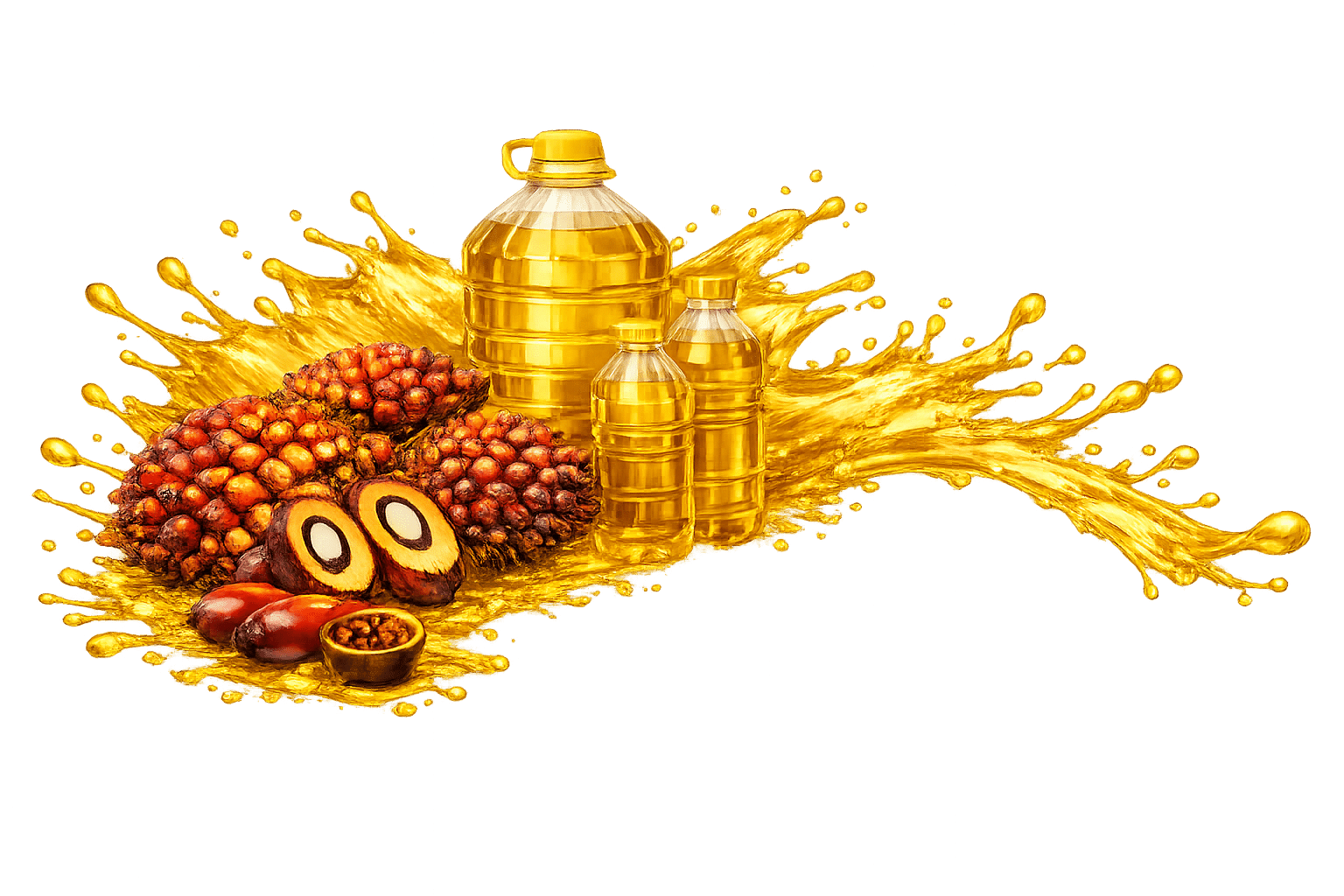
The plant construction which is being carried out by PT Wijaya Karya Rekayasa Konstruksi has started on 29 July 2021 and was completed on July 29, 2022. Meanwhile, General Manager of PT JAR Mathirlan Romadhoni said the new plant’s production target would be realized in stages, starting at 50 tons per day until later it reached a maximum capacity of 160 tons per day. “The packaged oil produced by the company is 0.5 liter, 1 liter and 2 liters in order to meet people’s purchasing power, considering the 0.5 liter, 1 liter and 2 liter markets are quite large. The marketing in the early stages was prioritized for the needs of the people of South Kalimantan although the marketing will expand to other provinces in Kalimantan. “The advantage of JAR cooking oil is that it is processed from its own oil palm plantations and has premium quality so that the price will be competitive and affordable.
Previously, there were at least three farmer based mini cooking oil plants which would also operate with a production capacity of between 400-600 kilograms per day. The three smallholder based cooking oil factories are located in Rokan Hilir, Riau, with a capacity of 600 kilograms (kg) of cooking oil per day, Tanjung Jabung Barat, Jambi, with a capacity of 500 kg per day, and North Kalimantan with a capacity of 400 kg per day.
The construction of these mini coconut plants will continue to be intensified with the hope that next year’s production can reach 5 tons of cooking oil per day. The targeted locations are areas with oil palm plantations without plants such as in Central Kalimantan, West Kalimantan, West Papua, and South Sulawesi.
The production of cooking oil from these mini palm plants will be accepted by the market due to high demand. In addition, the product from these mini palm plants is also considered to be able to compete with cooking oil produced by large factories since it is claimed to be able to offer lower prices. “For the city of Pekanbaru alone, one day requires 37 tons of cooking oil.
Development of Palm Cooking Oil Production
Volume of Palm Cooking Oil Production
In recent years, the production of palm cooking oil in Indonesia seems to keep on fluctuating. Based on IPO News research that palm cooking oil production in 2021 was approximately 15,401 thousand tons, then decreased slightly to 14,447 thousand tons in 2022. In 2023 it increased but was relatively small to 17,370 thousand tons. After that, it fell in 2024 to 15,535 thousand. In 2025 again, it would increase quite a bit to 15,986 thousand tons. This means that for the last 5 years the highest production figure occurred in 2023.
To subscribe or for more information, contact: Marketing Or Email
Need a research report? Please visit CDMI Consulting