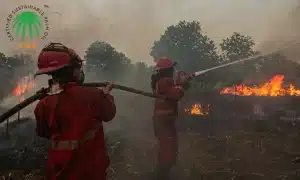
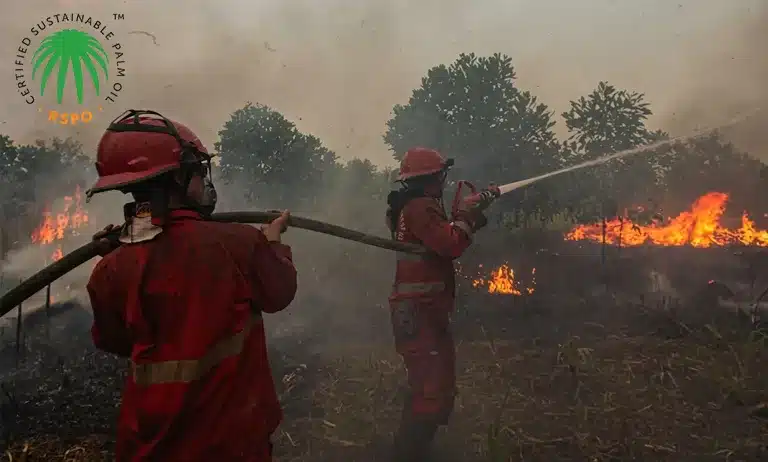
Indonesian Palm Oil News (IPO News), Jakarta — IPO NEWS reports, based on an official statement issued by the Roundtable on Sustainable Palm Oil (RSPO) on September 21, 2026, that RSPO has expressed deep concern over fires occurring in several parts of Indonesia and across Southeast Asia. The fires have the potential to affect local communities, public health, wildlife, the environment and livelihoods.
RSPO said its teams are continuously monitoring the situation through satellite-based technologies, including the Hotspot Hub and FireWatch. These systems are used to monitor hotspots, verify fire incidents inside and around certified concessions, and support coordination with RSPO members on the ground.
According to RSPO, its members in various regions are facing significant challenges in responding to fires. Key priorities include protecting communities and workers, controlling fires, and working together with government authorities, conservation organisations and other stakeholders to protect vulnerable areas, including orangutan habitats and conservation zones.
RSPO Reaffirms Ban on the Use of Fire
One of the key points in the statement is RSPO’s reaffirmation that RSPO standards strictly prohibit the use of fire for land clearing, cleaning or preparation.
At the same time, RSPO emphasised that fires can be caused by various factors, including natural causes and human activities. Therefore, each incident needs to be verified to determine its cause and location before further action is taken.
This requirement forms an important part of RSPO’s efforts to promote sustainable palm oil practices while strengthening fire prevention and response at the field level.
RSPO Members Responding Around Concessions
RSPO stated that members are expected to respond to fires occurring within approximately a two-kilometre radius of concession boundaries. In practice, however, RSPO members may provide assistance beyond this radius, particularly when surrounding communities and conservation areas require support.
In addition to fire response, RSPO standards also address worker safety during periods of haze. Members are required to monitor air quality and adjust field activities according to prevailing conditions. When pollution levels increase, heavy work may be suspended and appropriate respiratory protection must be provided to workers.
Satellite Technology Strengthens Monitoring
Through the Hotspot Hub, RSPO provides information on hotspots and potential fire incidents, including those located within and around concessions. This information helps members conduct investigations and take faster action.
RSPO explained that the hotspot data used by the system comes from NASA’s FIRMS (Fire Information for Resource Management System) and is filtered to reduce the possibility of false alerts.
According to Indonesian Palm Oil News (IPO NEWS) data, strengthening fire prevention and response systems is becoming increasingly important for Indonesia’s palm oil industry, particularly in maintaining plantation sustainability, protecting communities and preserving international market confidence in Indonesian palm oil products.
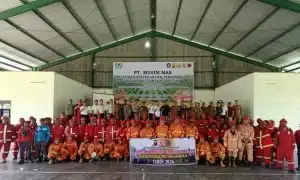
RSPO also expressed its appreciation to emergency response personnel, volunteers and various organisations that continue working to protect communities, the environment and wildlife amid ongoing fire conditions.
The RSPO statement highlights the importance of early detection, rapid response and collaboration among companies, communities, government authorities and environmental organisations in addressing fire risks in and around plantation areas.
To subscribe or for more information, contact: Marketing Or Email
Need a research report? Please visit CDMI Consulting